You replaced the dishwasher because the glasses kept coming out cloudy. You switched shampoo three times last winter. You bought the expensive detergent because towels were coming out of the dryer as stiff as cardboard. And the new water heater is somehow louder than the old one.
Here's the thing: if several of those sound familiar, you may not have five separate problems. You may have one.
Hard water is water carrying dissolved calcium and magnesium, picked up as it moves through rock on its way to your home (Source: USGS). It is completely invisible in the water glass. It looks clean, tastes normal, and passes every safety standard, because hardness isn't a safety issue at all. The EPA doesn't even regulate it. What hard water does instead is leave a trail of evidence all over your house, and most people spend years blaming that evidence on everything except the water.
Why can't you see hard water?
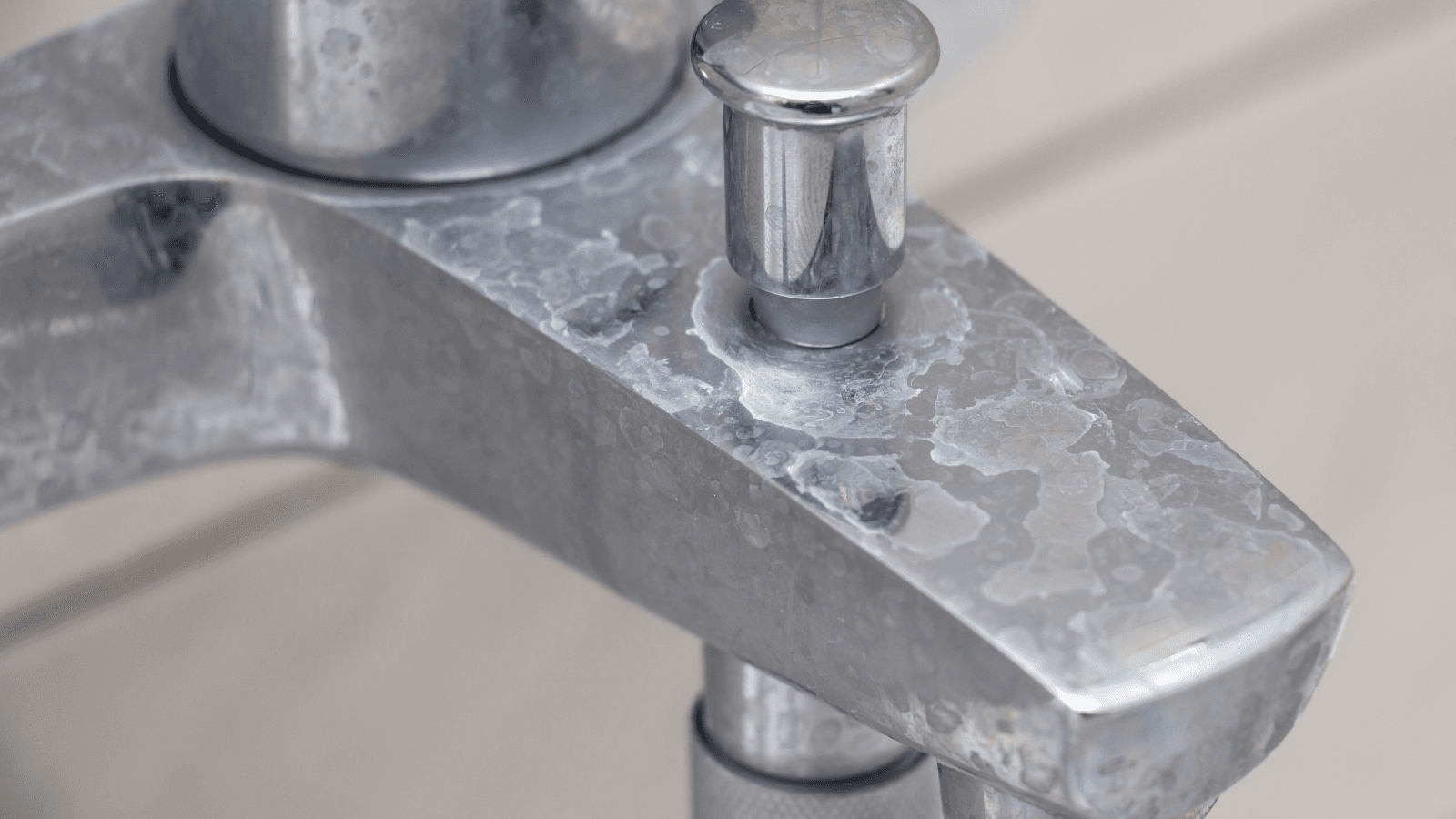
Because the minerals are fully dissolved, the same way sugar disappears into sweet tea. You only see them when the water evaporates or heats up and leaves the minerals behind. That's the white crust on the showerhead. That's the film on the shower door. That's the chalky ring in the kettle.
So the water itself never looks like the problem. The problem shows up somewhere else, wearing a disguise.
The signs, and what you've probably been blaming instead
Spots and cloudiness on dishes (blamed on: the dishwasher)
When hard water dries on glass, the dissolved minerals stay behind as spots and haze. People buy rinse aid, run extra cycles, and eventually replace the dishwasher. The new machine makes the same spots, because the machine was never the problem.
A film on the shower door that comes back in days (blamed on: the cleaning product)
Soap scum isn't really a soap problem. It forms when calcium in the water reacts with soap and creates a sticky film that doesn't rinse away (Source: USGS). Harder water means more film, faster. No spray bottle fixes chemistry.
Stiff, dingy laundry (blamed on: the detergent)
Hardness minerals bind with detergent before the detergent can do its job. You end up using more soap for worse results, and the minerals that stay in the fabric leave towels rough and whites gray. The reality is, in hard water you're washing your clothes in mineral water and paying in extra soap for the privilege.
Dry skin and dull hair that products don't fix (blamed on: winter, age, the shampoo)
The same mineral residue that stiffens towels stays on skin and hair after a shower. Research has linked hard water to aggravated eczema symptoms, and a lot of people notice their skin behaves differently when they travel somewhere with softer water (Source: Jabbar-Lopez et al., Clinical & Experimental Allergy, 2021). If you've cycled through moisturizers and shampoos without much change, the water is worth ruling out. We covered the skin and hair side in more depth in our post on how water quality affects your whole home.
A water heater that rumbles, runs hot, or died young (blamed on bad luck)
This is the expensive one. Scale settles on heating elements and tank bottoms, roughly a pound a year in untreated hard water, and forces the heater to burn more energy to push heat through a mineral layer (Source: Water Quality Research Foundation/Battelle study). Water heating is already about 17 percent of a typical home's energy use (Source: U.S. Department of Energy). In the same research, heaters on treated water held their factory efficiency for their full 15-year test life, while tankless units on very hard water failed in as little as a year and a half. The rumbling sound some tanks make is literally water boiling under a scale blanket.
Is hard water dangerous?
No, and I want to be straight about that. Drinking hard water is not a health hazard. The World Health Organization has noted the minerals can even contribute a little calcium to your diet. The cost of hard water isn't in your body. It's in your appliances, your plumbing, your energy bill, your skin and hair, and the slow drip of money spent treating symptoms one at a time.
How do you confirm it's hard water?
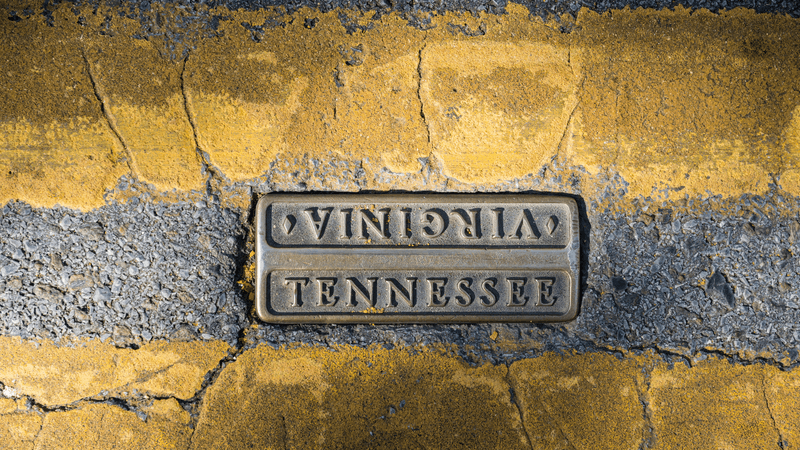
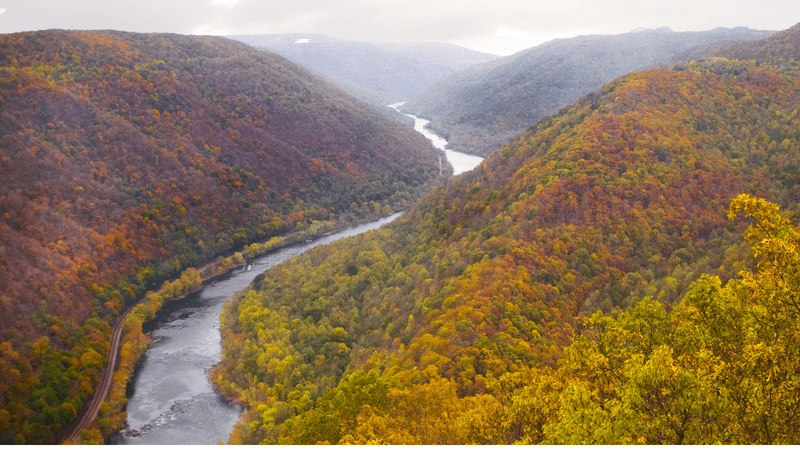
Two ways. You can look up your utility's annual water quality report, which usually lists hardness for the system average. In Johnson City, for example, the water comes from the Watauga River and Unicoi Springs, and what arrives at your tap varies by neighborhood and by season (Source: City of Johnson City Water Quality Report). Well water is a different story entirely, and often a harder one, because well water has had more contact time with rock.
Or you can test the water in your actual house. A test gives you a number, in grains per gallon. What that number means, and what to do at each level, is its own topic, and we've laid the whole scale out in our water hardness chart guide. Whether that number justifies a softener is a real question with an honest answer that is sometimes no, and we walk through that decision in a separate post.
I've been testing water across the Tri-Cities for a decade, and the pattern I see most isn't people ignoring hard water. It's people fighting it on five fronts without knowing the fronts are connected.
What you can do about it
Start free: check your utility's report, and pay attention to the pattern. If three or more of the signs above are happening in your house at the same time, that's not a likely coincidence.
Then get a number. We'll test your water at your kitchen sink, no charge, and show you exactly where your home lands. If the hardness is mild, we'll tell you that, and you'll at least stop buying rinse aid for a dishwasher problem you don't have. If it's high, you'll finally know why the towels feel the way they do. If there are other issues present in your water, we’ll show you those too and have a chat about solutions. Either way, you stop guessing. Call 423-218-9361 or schedule your free in-home water test at mvpwater.net.